

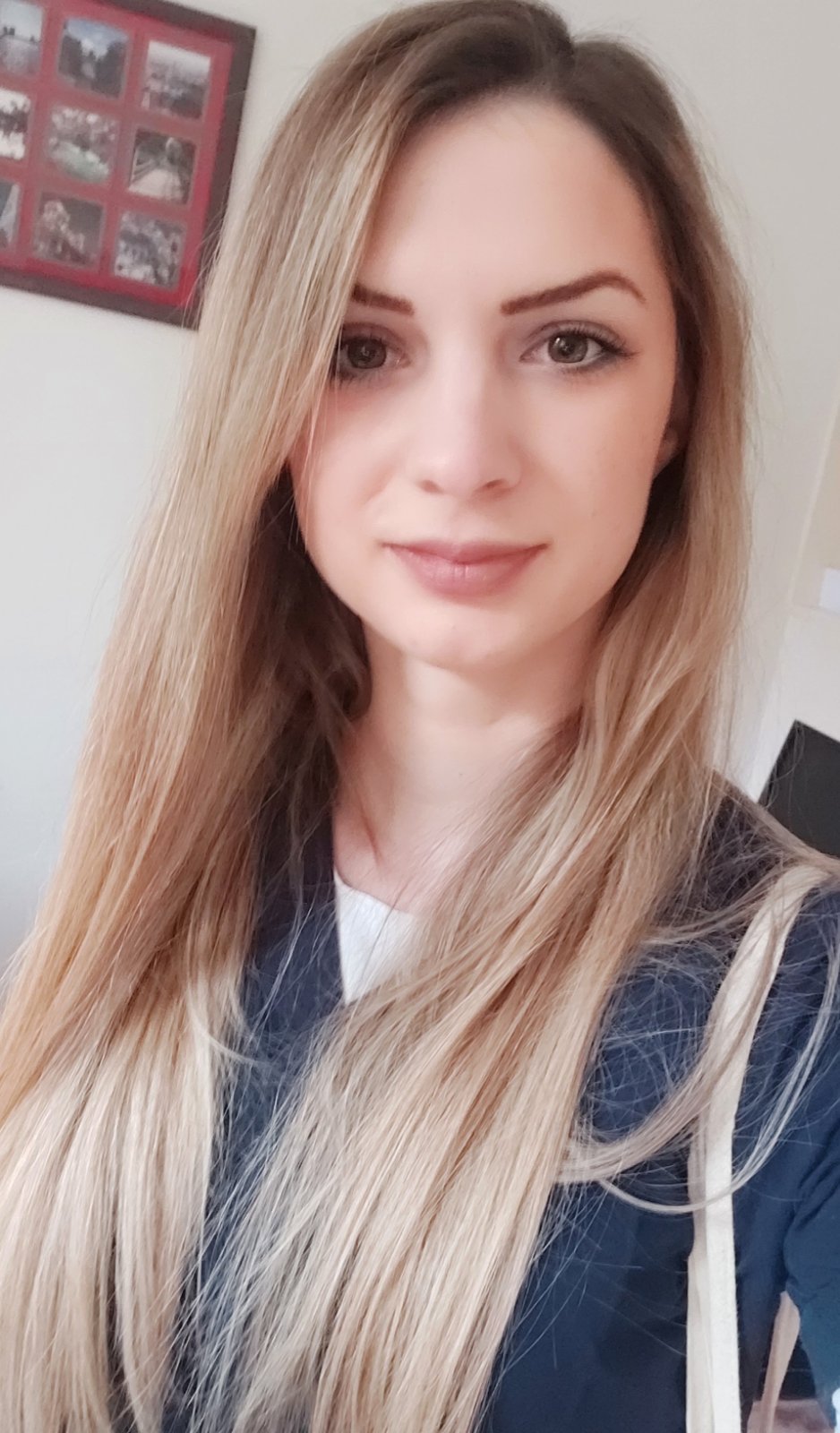
At Medika School, we believe that student effort, dedication, and knowledge should always be rewarded.
For this reason, we awarded a scholarship for continued studies in the master vocational programme to Dunja Milovanović, the top student of the graduating class in undergraduate vocational studies, who achieved a grade average of 9.26. Dunja is a Medika student to be proud of — responsible, disciplined, eager to learn, and always committed to fulfilling both her academic and professional obligations.
Dunja knew from an early age that she wanted to pursue a career in medicine.
“I believe that empathy is one of the most important qualities we must possess in this profession. I was drawn to medicine even as a child, and as time went on I became more and more certain that this was the calling I wanted to follow. During my further education at the secondary medical school in Leskovac, I became convinced that I had made the right choice and that this was truly where I belonged. Through practical training, I grew even more passionate about nursing and everything it represents. When you have the opportunity to save someone’s life, the feeling is priceless. That is what motivates me to keep improving myself and to gain the ability to pass on my knowledge in the best possible way.”
She had very little doubt when it came to continuing her education and enrolling in a school in Belgrade — for her, the only choice was Medika.
“I decided to enroll at Medika because I wanted to continue improving and expanding my knowledge and skills. Above all, I would recommend my peers to work on themselves and complete their studies. I believe Medika is a very good choice. The professors are highly competent and approachable, and communication with both the professors and the student services office is conducted at a professional level. The study programme includes all the necessary course content and practical training that a vocational nurse should have.”
You were the top student of your generation. Was it difficult to meet all the challenges of student life?
“I must admit that at certain moments it was difficult, but the professors were always understanding toward students who were employed, which made our studies at least a little easier. They were always available for any questions or uncertainties, which means a lot to students, especially when we are unable to attend all lectures due to work commitments and, in my case, working within the COVID system. I should also mention that, as someone already employed in the profession, it was easier for me to respond to many challenges, because my work in the coronary care unit gave me the opportunity to encounter many situations that helped me during my studies.”
The topic of Dunja’s graduate thesis was “Nursing Interventions in the Care of Patients after Pacemaker Implantation,” under the mentorship of Prof. Dr. Sci. Med. Željko Vlaisavljević. She has been employed at KBC Zvezdara, Coronary Care Unit, since 2018. Dunja received a Medika scholarship to continue her education in the master vocational programme.
“I am extremely happy to continue my studies, because that was my wish after completing my undergraduate studies. I found out about the master’s scholarship during the diploma award ceremony, and I truly did not expect it. It took me some time to understand what was happening. After that initial shock, if I may call it that, there came incredible joy and excitement, along with gratitude toward the school administration for recognizing and rewarding my effort and dedication.”

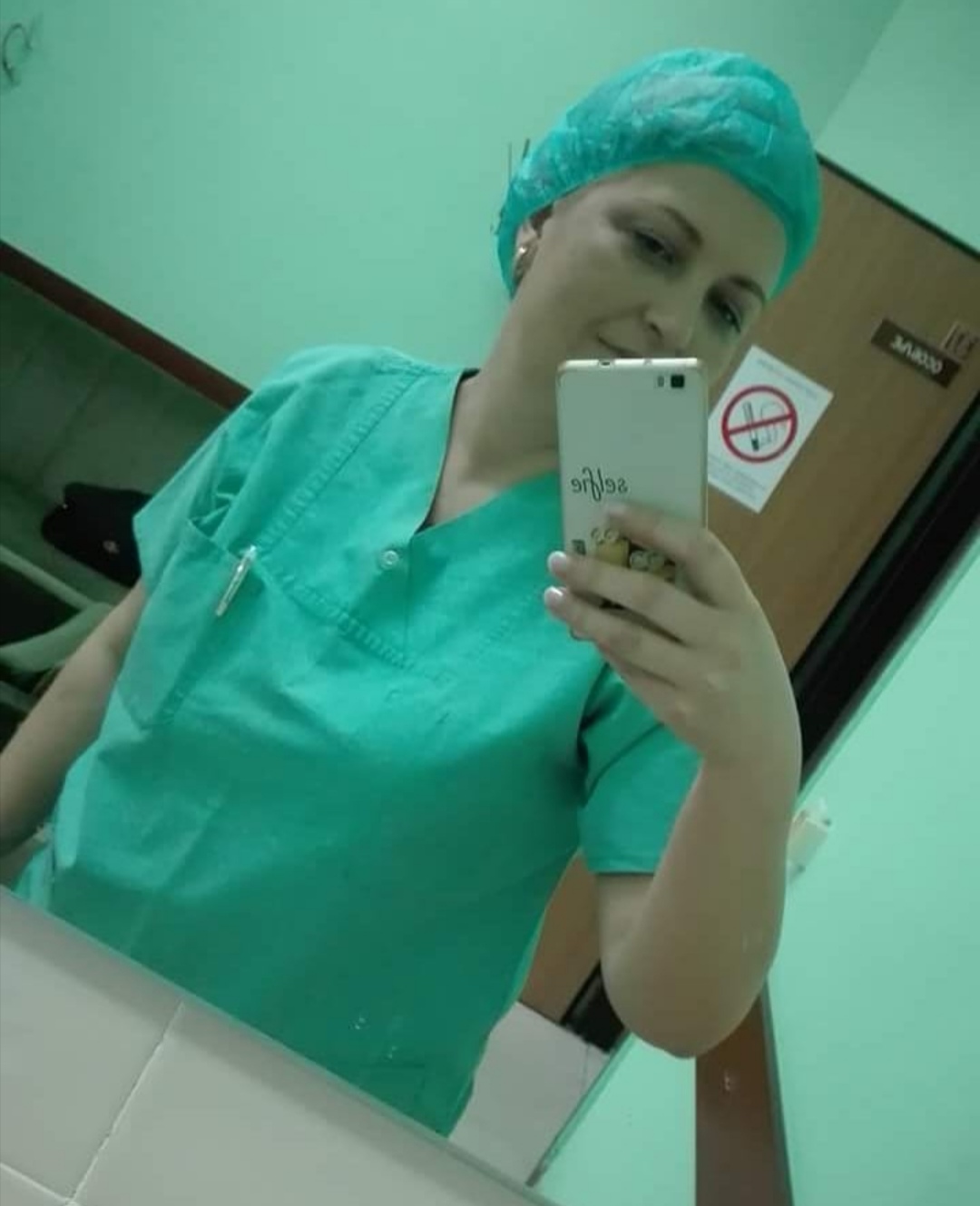
At Medika School, we believe that student effort, dedication, and knowledge should always be rewarded.
That is why we awarded a scholarship for further studies in the master vocational programme to Dunja Milovanović, the top student of the generation in undergraduate vocational studies, with an average grade of 9.26. Dunja is a Medika student we are truly proud of — responsible, disciplined, eager to learn, and always committed to fulfilling both her academic and professional responsibilities.
Dunja knew from an early age that she would pursue a career in medicine.
“I believe that empathy is one of the most important qualities we must possess in this profession. I was drawn to medicine even in childhood, and as time passed I became increasingly certain that this was exactly the calling I wanted to follow. During my further education at the secondary medical school in Leskovac, I realized that I had made the right choice and that this was where I truly belonged. Through practical training, I grew even more passionate about nursing and everything it represents. When you have the opportunity to save someone’s life, the feeling is priceless. That is what motivates me to keep working on myself and to gain the ability to pass on my knowledge in the best possible way.”
She had little hesitation when it came to continuing her education and choosing a school in Belgrade — for her, the only choice was Medika.
“I decided to enroll at Medika because I wanted to improve myself and further develop my knowledge and skills. Above all, I would encourage my peers to work on themselves and complete their studies. I believe Medika is a very good choice. The professors are highly professional and approachable, and communication with both the professors and the student services office is at a very professional level. The study programme includes all the necessary course content and practical training that a vocational nurse should have.”
You were the top student of your generation. Was it difficult to respond to all the challenges of student life?
“I must admit that at some points it was difficult, but the professors were always understanding toward employed students, which made our studies at least a little easier. They were always available for any questions or uncertainties, which means a lot to students, especially when we are not able to attend all lectures due to work commitments and working in the COVID system. I should also mention that, as someone already employed in the profession, it was easier for me to respond to many of the challenges, because through my work in the coronary care unit I had the opportunity to encounter many things that helped me during my studies.”
The topic of Dunja’s graduate thesis was “Nursing Interventions in the Care of Patients after Pacemaker Implantation”, under the mentorship of Prof. Dr. Sci. Med. Željko Vlaisavljević. She has been employed at KBC Zvezdara, Coronary Care Unit, since 2018. Dunja received a Medika scholarship to continue her education in the master vocational programme.
“I am truly delighted to continue my studies, because that had been my wish ever since completing my undergraduate studies. I found out about the master’s scholarship at the diploma award ceremony, and I honestly did not expect it. It took me some time to understand what was happening. After that initial shock, if I may call it that, came incredible joy and excitement, as well as gratitude toward the school administration for recognizing and rewarding my effort and dedication.”
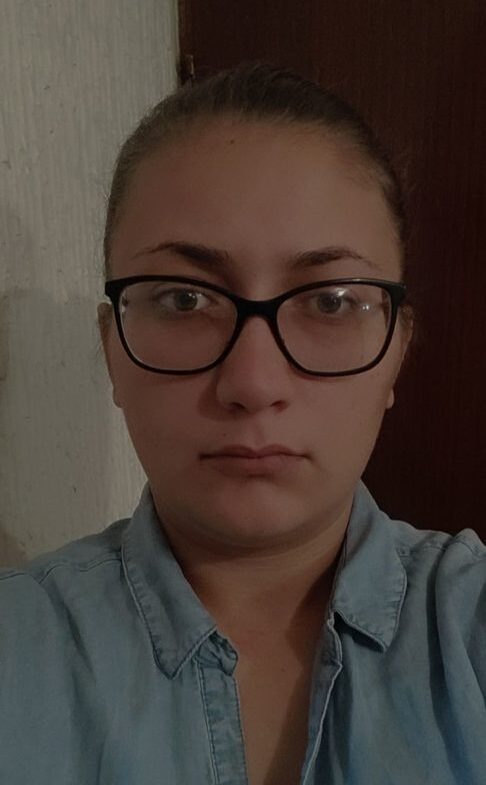
Dragana Stanković is a second-year master’s student at Medika.
As her studies are gradually coming to an end, Dragana reflects on her educational journey so far:
“I completed secondary medical school ‘Milutin Milanković’ in Jagodina, and after finishing my undergraduate studies, I decided to continue my education at Medika — and I made the right choice. I am very satisfied with the programme. I have excellent communication with the professors, who are often very accommodating when it comes to explanations, consultations, and clarifying any uncertainties. The coursework is demanding, but with good time management I have so far been able to meet all my academic obligations. I look forward to bringing this final year of study to a close soon and beginning work on my master’s thesis.”
Dragana is a sanitary-ecological engineer and sees herself in that professional role. However, she is also deeply interested in international relations and diplomacy.
“Life circumstances cannot always be predicted, but dreams can be planned. I love my profession, but I truly do see myself one day in international relations as well. It is always an honour to represent your country. I read a great deal about topics related to this field.”
One of the youngest master’s students is also an excellent mathematician.
“I have loved mathematics since I was very young. In mathematics, everything is rational and logically explained. I wanted to pursue mathematics, but in the end my sister convinced me to enroll in secondary medical school.”
Dragana was born in 1997 in Vitina, Kosovo. In 1999, during the war, her father gave his life defending our country. As a child, she wanted to be a soldier, just like her father, Vasa. She may not have worn a military uniform, but through her work, active engagement, and wholehearted dedication, she helps and participates in a large number of humanitarian initiatives. For many years, she has been a volunteer with the Red Cross, where she makes a selfless contribution by taking part both in aid collection campaigns and in educational activities aimed at raising public awareness of various important social issues.
Bojana Filipović is a master’s student at Medika. Although she is one of the youngest students in the second year of the master’s programme, for months Bojana has been working on the front line in the fight against the COVID-19 pandemic. With great courage and wholehearted dedication, she cares for the most seriously ill patients in the red zone.
“Working in the red zone was a new experience for me as a young nurse. From the very first day, the COVID-19 pandemic was a fight for people’s lives. It was not easy to watch our fellow citizens, our friends, and acquaintances struggle for their lives after becoming infected. Every life that was lost left a mark and pain on me and on my colleagues, but giving up was never an option and never will be — the fight must go on.”
Despite her responsibilities at work and in her master’s studies, Bojana attended an international congress of healthcare professionals organized by the Association of Healthcare Workers and Associates of the Republic of Serbia Eskulap and the Balkan Association of Nurses.
“This year, I attended an international congress of healthcare professionals for the first time, and I came away with very positive impressions. I met colleagues from across the region and exchanged experiences with them, which means a great deal to me. I also learned a lot by listening to presentations and lectures given by older and more experienced colleagues.”
Although the pandemic is currently making classes more difficult, she has excellent cooperation and communication with the professors at Medika. All classes are held online, and she is gradually preparing the topic of her master’s thesis.
“Because of the current situation and my work in the COVID outpatient clinic, I am not always able to attend lectures. The professors are wonderful and very understanding, and they make up for missed classes by sending us all the materials by email, so balancing work and studies at the same time is not as difficult as it might seem.”

Emina Husović is a second-year master’s student at Medika. She lives and works in Novi Pazar.
A mother, a dedicated healthcare professional, and a committed student, Emina successfully balances several demanding roles at once.
“I graduated from secondary medical school in Novi Pazar. I started working in 2012, and I was given a permanent position in 2014. I have always wanted to help people, and there is nothing more noble than medicine and directly helping protect people’s health. Medicine is a fight for health, for life, and all of us who work in medicine know how difficult, stressful, but also deeply fulfilling this profession is.”
As a child, she was torn between her love for medicine and her love of languages. She wanted to become an English teacher. In the end, medicine won. Today, she speaks both English and German very well.
“Knowledge of languages means a lot because it breaks down barriers between people. I believe in self-improvement and that every person should work on themselves and their skills. One of the fields I intend to dedicate myself to in the future is teaching and mentoring at a school, because I want to share the knowledge and experience I have gained with the younger generations to come.”
Emina is not the only healthcare professional in her family — her husband is a doctor at the respiratory center of the Novi Pazar General Hospital. Every day, he fights the coronavirus and helps patients in the battle against this virus.
“I admit that I felt a certain amount of fear when the pandemic began, because we knew very little about the coronavirus. I was afraid for people, for my family, and for my husband, who is on the front line of the fight against COVID, especially when Novi Pazar was the epicenter of the outbreak. I myself wanted to step in and help my colleagues, because we must be united and fight together for people’s health. We need to protect ourselves and protect others as well. I had COVID and got vaccinated as soon as the vaccines became available. I hope this period will soon be behind us.”
Emina has spent many years in healthcare and knows both the greatest strengths and the biggest challenges of this profession.
“One challenge is that there is always a great deal of work to be done — human health cannot simply be put on pause. Everyone wants to help, and that sometimes requires sacrificing other parts of life. There is also a lot of stress involved. But the advantages are, of course, far greater than the disadvantages, and the greatest of all is helping people preserve their health and their lives.”
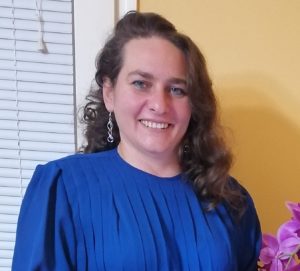
Maja Katić, a second-year master’s student at Medika, has a rich professional background. She has been working in the field of medicine since 2013. She completed her internship at the General Hospital in Šabac and then enrolled in a vocational college. After completing her further education, she began working in the Department of Internal Medicine, Cardiology Unit, at the General Hospital in Loznica.
Through her hard work, dedication, and commitment, she has proven herself to be an outstanding healthcare professional. On the recommendation of a physician and the head nurse, she applied for training and work in the angiography unit.
“People are meant to learn and grow throughout their entire lives. Training to work in the angiography unit is a new experience for me. I am happy to be part of a team that is improving its skills in Belgrade with leading experts in this field of medicine. I know that the knowledge I gain will help me in my future work with patients.”
Maja does not find it too difficult to balance her responsibilities at work, at school, and her almost daily travel to Belgrade for training.
“It can be tiring, but I do my best to balance all of my responsibilities. When you truly love something and want it enough, all obligations can be managed. I also have great support and understanding from the professors at Medika, so my academic responsibilities are not a problem either. If I am unable to attend lectures because of work, I still receive all the necessary materials for learning and exams.”
During the coronavirus pandemic, Maja was also actively involved in the fight to protect people’s health and lives.
“I worked in the red zones for six months. It was a completely new experience, working in much more difficult conditions and fighting an invisible enemy. My role was to help patients with severe clinical symptoms. I hope the pandemic will soon be over, that we will return to normal life, and that there will be no more deaths caused by this terrible virus.”
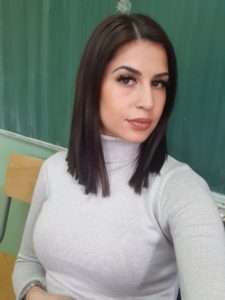
Marija Stanković is a second-year master’s student at our school.
She completed secondary medical school in Belgrade and graduated from the College of Medical Studies in Prijedor. For her master’s studies, she returned to the capital and enrolled at Medika.
“I am very satisfied with my studies at Medika. The teaching staff is exceptionally qualified, and I truly learn a great deal from every professor, as they are top experts in their respective fields. In our family, continuous self-improvement and the pursuit of knowledge have always been important — my brother completed his doctoral studies at the Faculty of Electrical Engineering in Barcelona. After finishing my master’s studies, I plan to continue my education.”
Alongside her studies, Marija also works as a practical training instructor at the “Sveti Sava” Chemical School in Loznica. Does she apply the knowledge gained at Medika in practice as well?
“Yes, absolutely. I am very satisfied with the lectures, the professors, and the knowledge I receive at Medika, and I truly make an effort to apply what I have learned in my work with my students. I encourage them to enroll at Medika, since I know that the school also has a department in Loznica, and I keep telling them how important it is to continue their education and how much it will mean for their future careers.”
The COVID-19 pandemic also affected the field of education. Marija faced a double challenge — studying online in her master’s programme while also teaching her own students online.
“It is not easy, it truly isn’t, but everyone’s health must come first. Online teaching is full of challenges, especially for me as a practical training instructor, but so far I have successfully managed to pass on my knowledge.”
The next challenge for this young woman from Loznica is to pass her second-year master’s exams and dedicate herself to writing her master’s thesis.
“I always take learning and exam preparation very seriously. I have already started thinking about the topic for my master’s thesis, although I am still undecided. I will choose my mentor carefully. There are so many excellent professors at Medika that it will be difficult to decide, but I hope that by spring I will have a clear vision of the topic I want to write about.”
Marija believes that knowledge is the key to success. She advises her students and the young people around her not to stop with only a secondary school diploma, but to continue their education and professional development.

Dragana Ćurčić is a second-year student at Medika College of Vocational Health Studies. She graduated from the “Nadežda Petrović” Secondary Medical School in Zemun, as that had been her dream since childhood. She chose to continue her education at Medika because she wanted to keep building her knowledge, education, and professional growth.
Her impressions of studying so far are exactly what she had hoped for. The professors are top experts and physicians in their fields, and in addition to passing on their knowledge, they also share their professional experience and new developments related to patient care and treatment. Alongside her studies and academic responsibilities, Dragana is also employed at the Dr Dragiša Mišović Dedinje Clinical Hospital Center, in the ENT department. She says it is not always easy to balance work and academic commitments, but she manages to do so.
“For now, I am managing to keep up with all my responsibilities, both at work and in my studies. I should point out that Medika shows great understanding toward those of us who are employed and is always willing to accommodate us, since one of the school’s goals is for us to develop practical knowledge alongside theory during our studies.”
Dragana is also a member of Medika’s Student Parliament and represents the school at the Student Conference of Academies and Colleges of Applied Studies.
“I became a member of the parliament quite by chance, when I attended a SKAS meeting as a representative of my student parliament and met people who genuinely want to raise the level of student education. As part of the parliament, we want to improve the quality of education, but also to represent our students and make their period of study easier. The parliament also wants students themselves to get to know one another better, because the coronavirus pandemic forced a certain kind of distance upon us, and we also want to share knowledge among ourselves, especially those of us employed in the healthcare system.”
Among the many initiatives in which Medika and the school’s Student Parliament have taken part, Dragana highlights the following:
“Our school, as well as the parliament itself, participated through a financial donation for the reconstruction of an elementary school in Kosovo and Metohija. We also took part in organizing sports competitions and responded to a large number of humanitarian initiatives.”